Winemaking
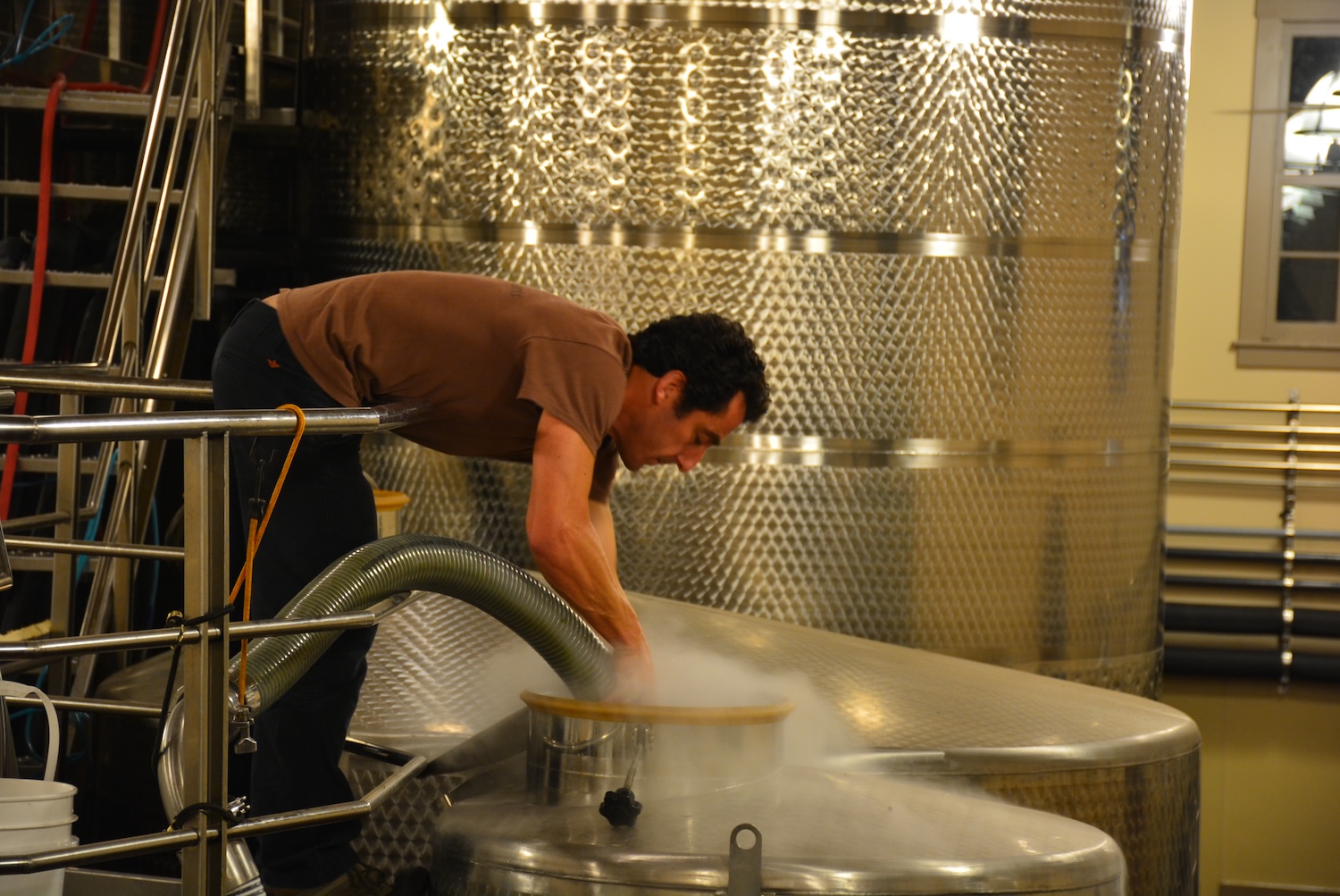
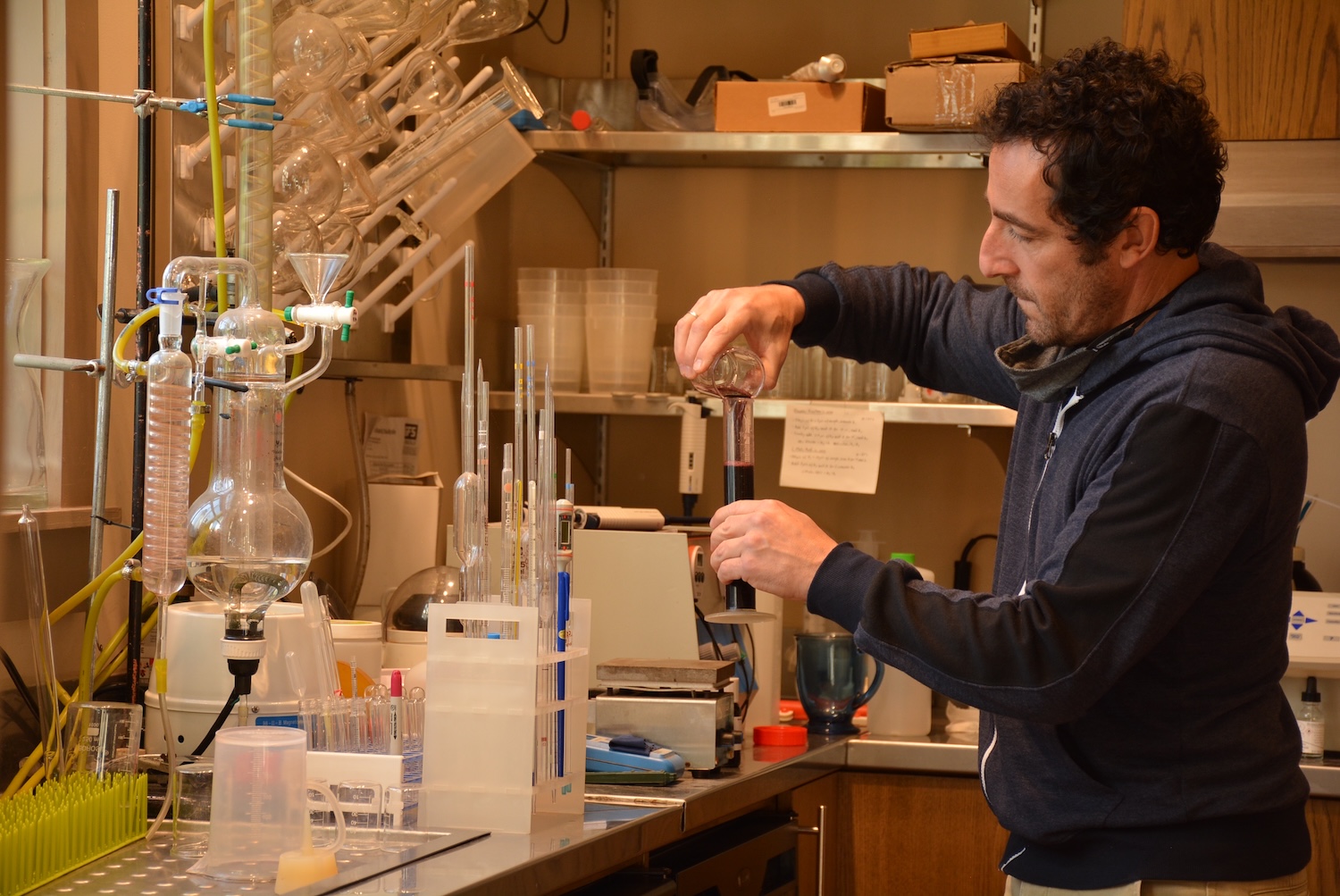
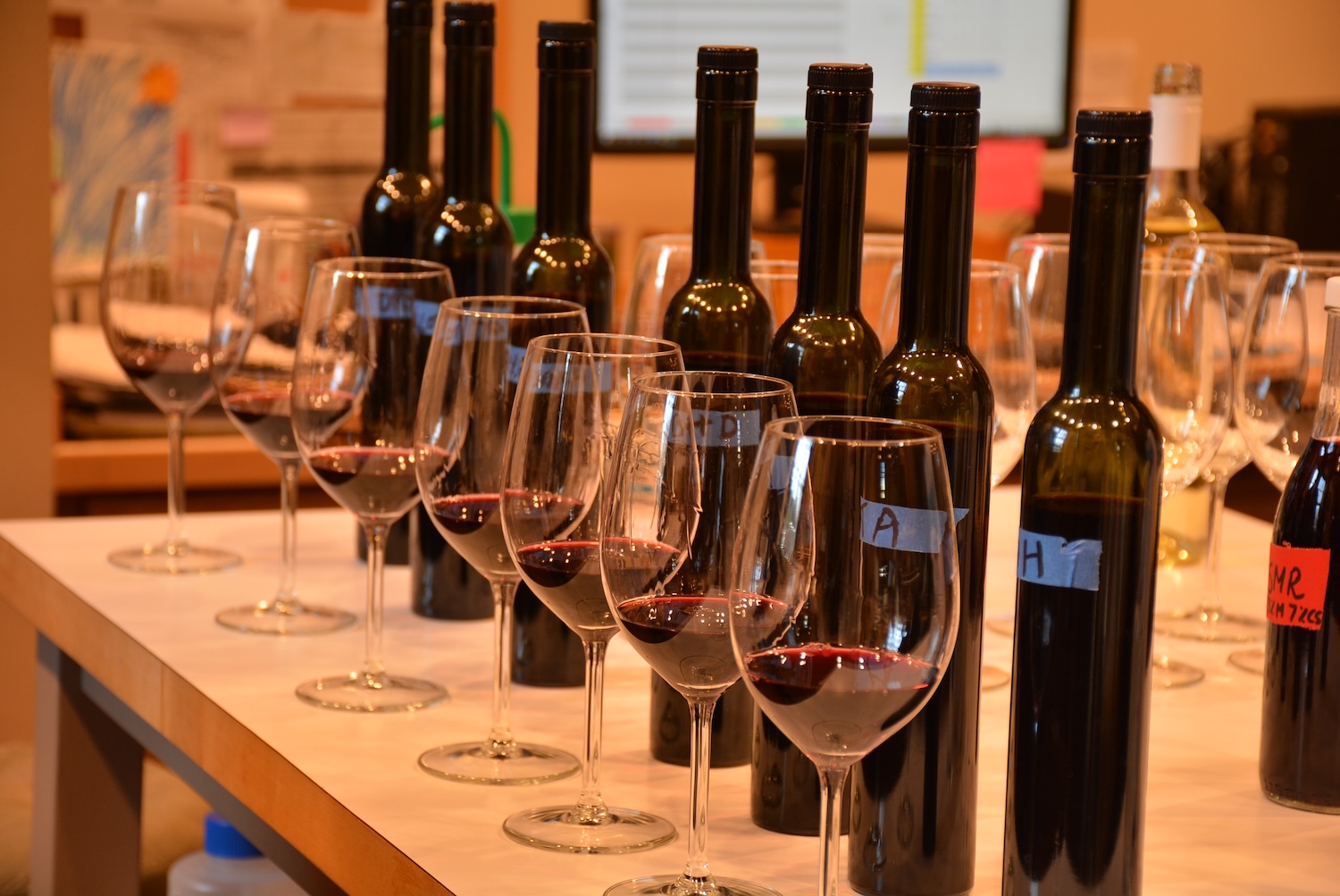
While much of the quality of a wine is determined in the vineyard, it is the winemaker’s job to ensure that the fruit achieves its best expression in the wine. Tom Burns, who has been Boordy’s winemaker since 1986, literally lives with his work - his house is a stone’s throw from the winery. During the vintage he is monitoring his wines at all hours of the day and night, measuring temperature, sugar, and alcohol content, and watching for problems which can arise at any time during fermentation. This degree of dedication and control is what separates the best winemakers from the rest.
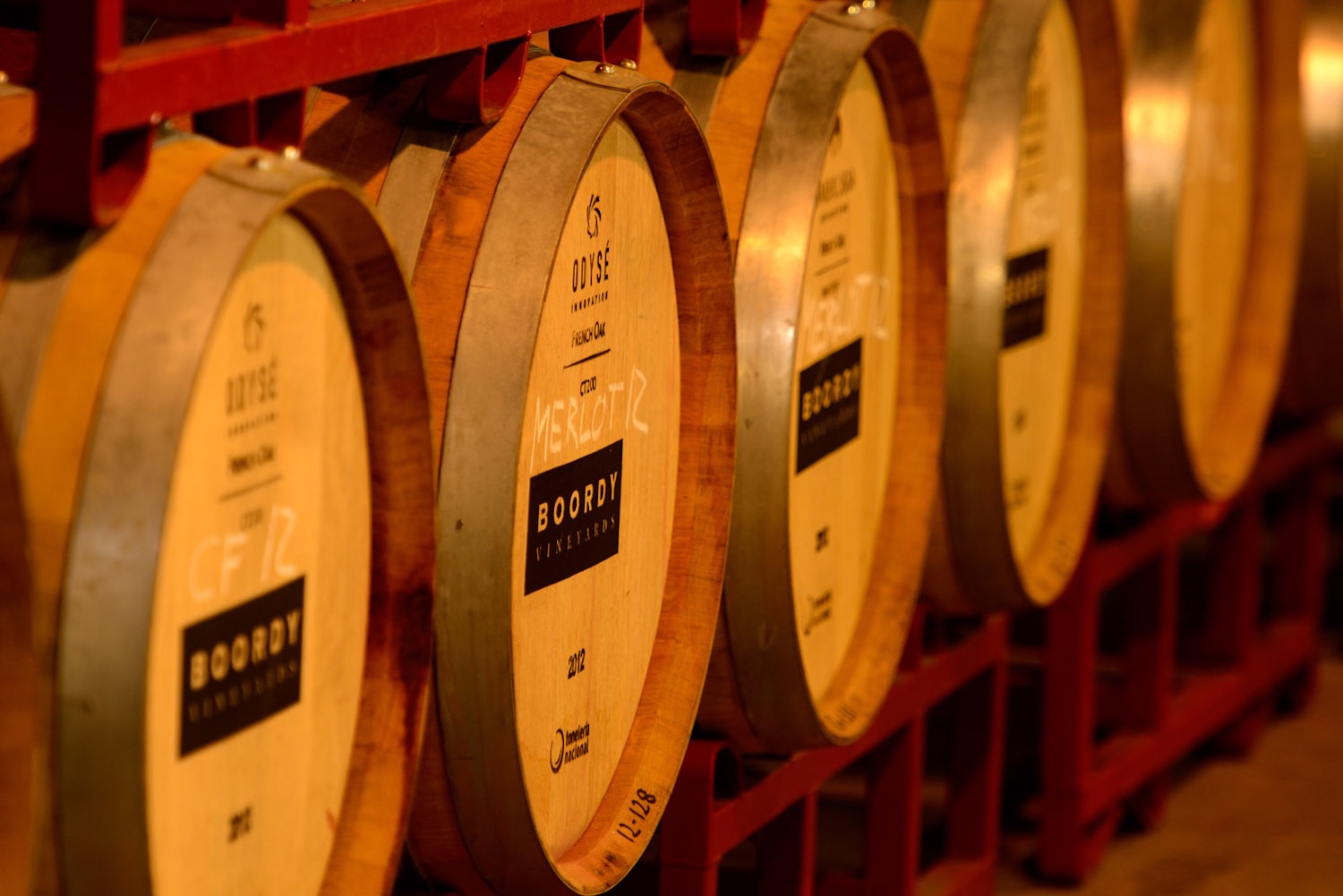
Winemaking is an ancient craft, but it is also one that is being profoundly influenced for the better by research and technology. Our philosophy at Boordy is to blend the traditional with the new as quality dictates. We use French oak barrels from the venerable forests of Nevers, Troncais, Limousin, and Allier to age our Landmark wines. We rely upon sensory judgment to determine when to harvest our crop, and to follow the wines’ development through fermentation, aging, and final blending. We perform the most critical tasks in the vineyard by hand, and practice minimal handling of the wines to preserve the quality that we strive so hard to create in our vineyards.
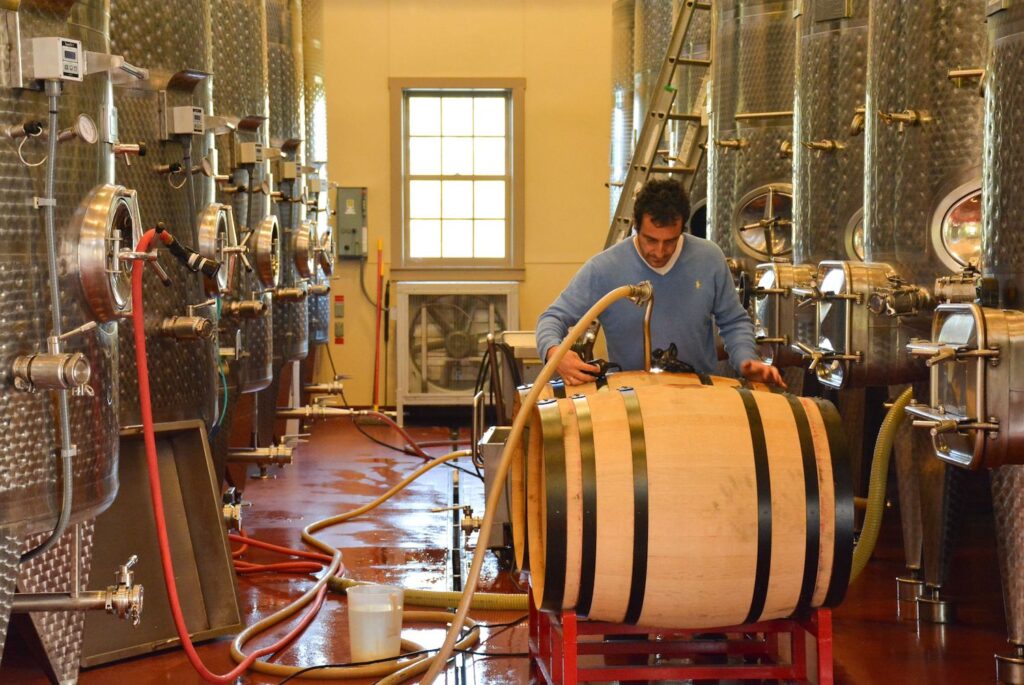
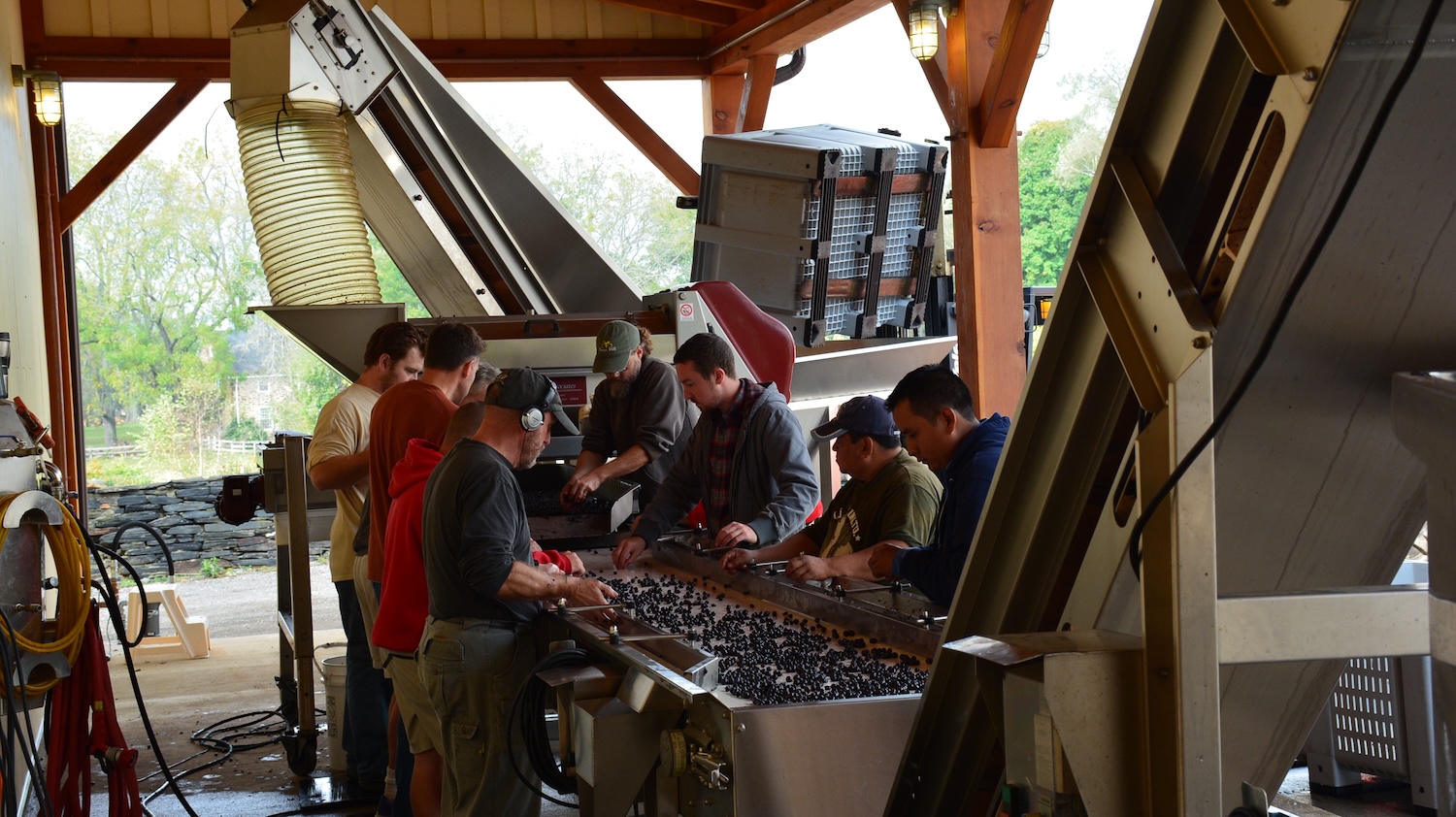
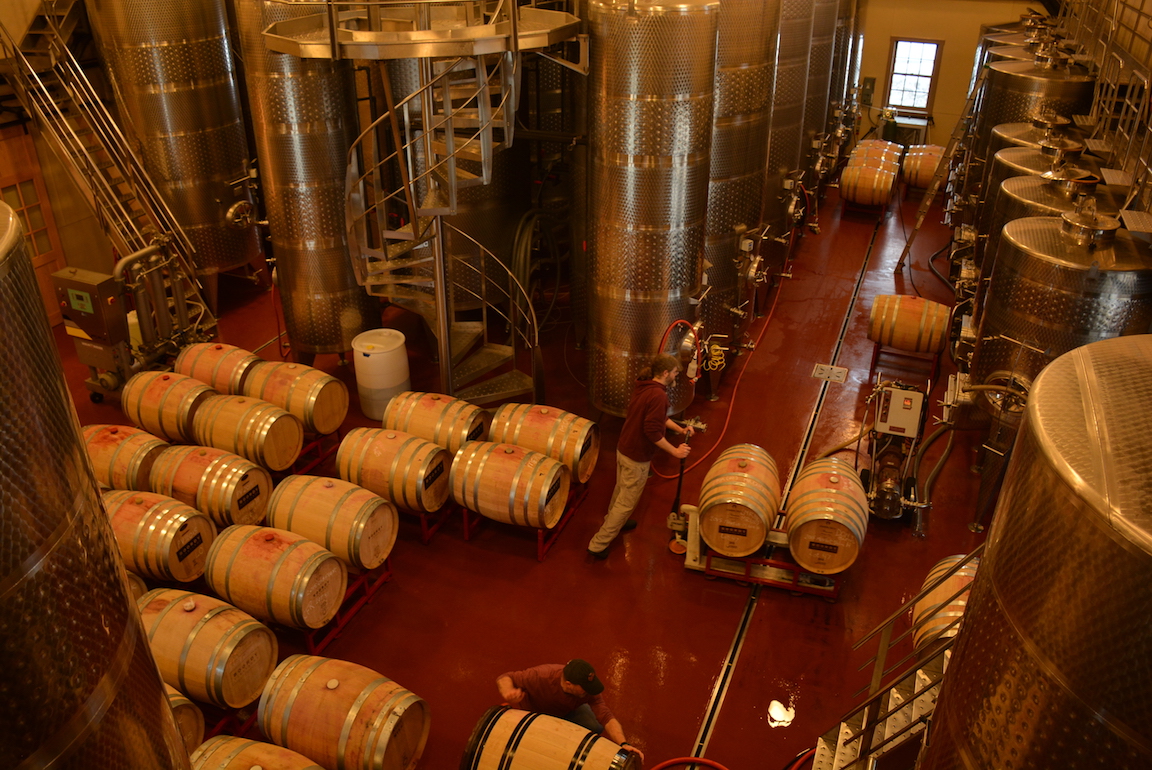
Under Tom Burns’ guidance, Boordy has made continual investments in state-of-the-art equipment that has resulted in a quantum leap in the quality of our wines. Jacketed stainless steel tanks enable control over fermentation temperatures. A modern “crush pad” - the assemblage of machines that de-stems the clusters, sorts and crushes the berries, and presses them – yields juice of extraordinary clarity and quality. Our Icon reds are fermented in specialized tanks called Ganimedes which use the CO2 gas given off by fermentation to gently immerse the skins of red grapes in their juices for color extraction. The tanks’ steeply conical bottoms enable seed removal for softer flavors. And the list goes on to include filters, pumps, lab equipment, the bottling line –virtually every facet of winemaking at Boordy has felt the influence of advances on technology. Even yeasts - the micro-organisms responsible for fermentation – are carefully selected by Tom from wine regions around the world to achieve the style of wine he desires.
Whether it is a fine French oak barrel or a computerized grape press, the overriding question is: what is best for the wine? The abundance of exciting research coming out of universities coupled with the experiences of our fellow wineries (each of us is a research station in a sense) provide answers to this question; it is up to us to ferret out the best practices and put them to use. The one constant over the past three decades at Boordy is continual change driven by a desire for improvement.
The Landmark Project
In 2006, Boordy initiated the Landmark Project, a comprehensive effort focused upon producing the highest quality wine from our estate grown fruit, represented by the family of wines called our Landmark Series. Our first step was to engage world-renowned viticulturist Lucie Morton to guide us in replanting most of our vineyards to new clones in a closely spaced format. This is an expensive and patient process which would not yield its first wines until 2009. By 2012 about 40 acres of vines at our two vineyards will be planted under Lucie's guidance and Ron Wates' management.
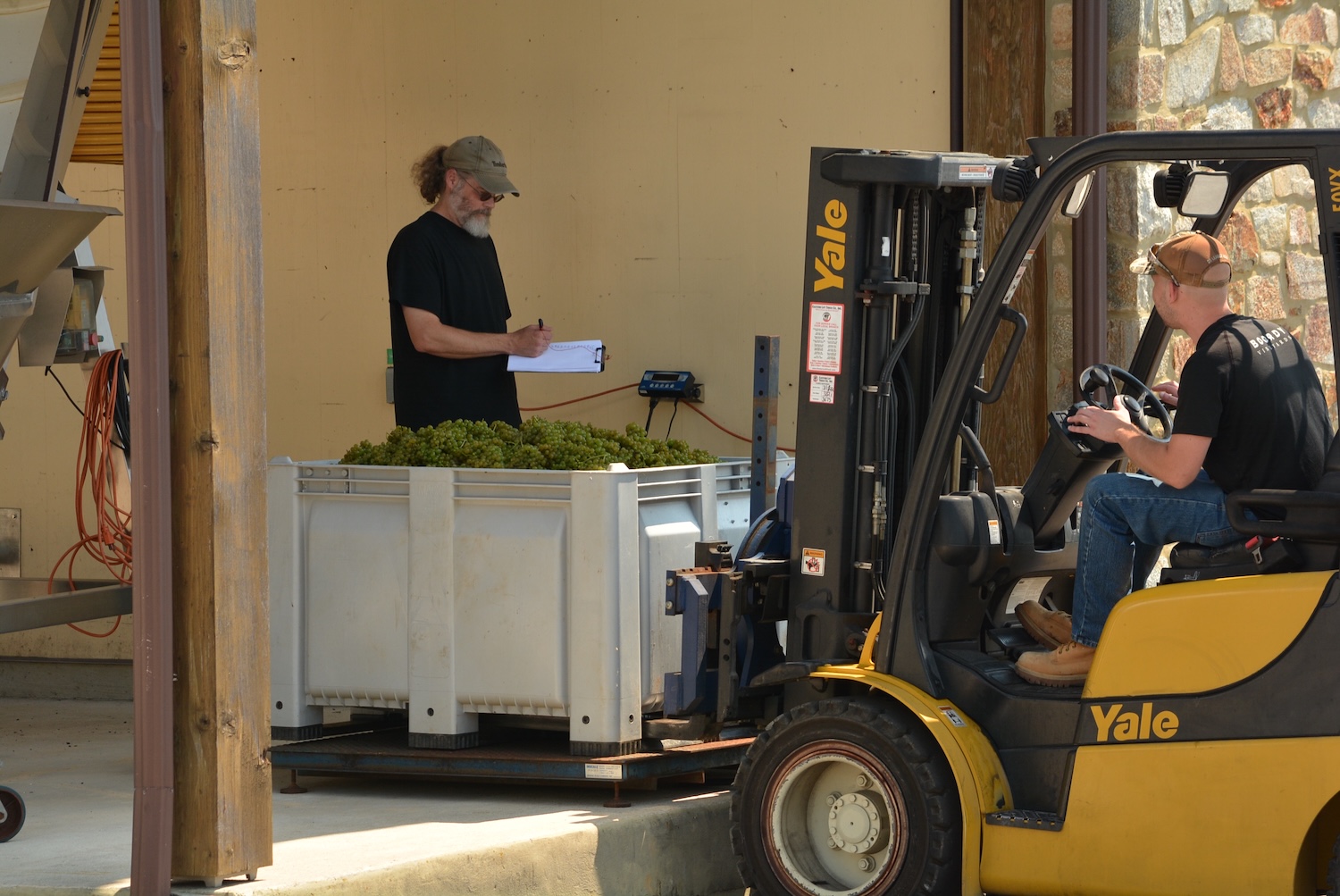
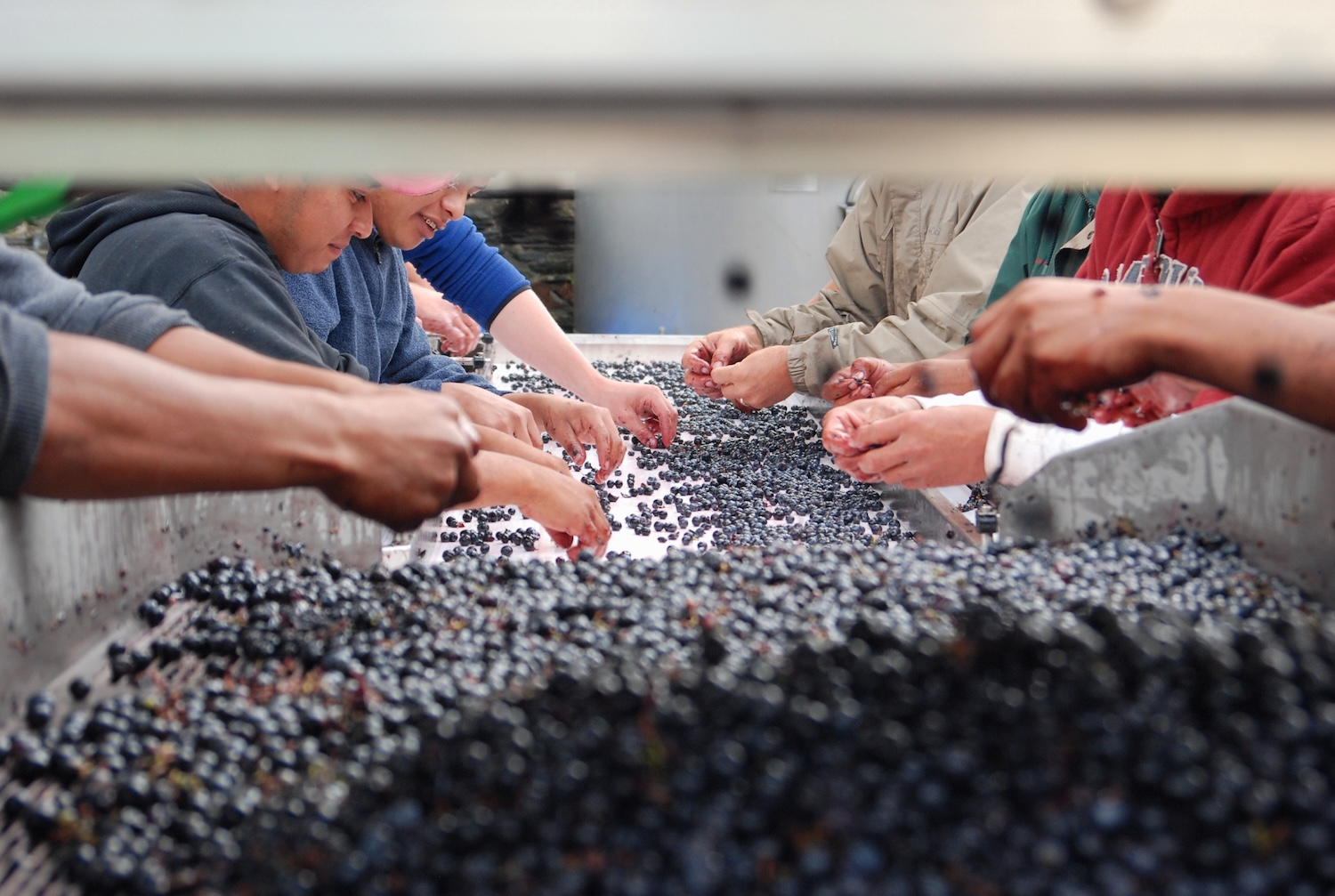
The investment in the vineyard is being matched by an equally impressive investment in equipment, buildings, and personnel to make this vision a reality. In 2009 we engaged John Levenberg - who holds a master's degree from the University of California at Davis, and has made wine on three continents - to consult with our winemaker Tom Burns on developing protocols for ultra-premium wine production. We have installed equipment that receives and handles the grapes with extreme gentleness and allows for complete sorting of the fruit. An array of specialized tanks has been installed which enables small lot fermentations of specific vineyard blocks. French oak barrels are being sourced from four different suppliers for aging of our Landmark wines.
By the 2010 vintage, the vineyard replanting had progressed sufficiently to enable the use of exclusively Maryland fruit in all our Landmark Series wines. In 2012, construction will begin on a new winery building to house not only the Landmark wines, but also to provide a more controlled environment for production of our Icon and “Just for Fun” wines as well. It will take a decade to complete the Landmark project; fortunately, we won't have to wait that long for some results: the excellent 2009 Pinot Grigio and Reserve Chardonnay are harbingers of good things to come, the 2009 Cabernet Franc and Landmark Reserve will be released in mid-2011, and the reds from the extraordinary 2010 vintage will make their debut in 2013.
Back

Photo Gallery click here